


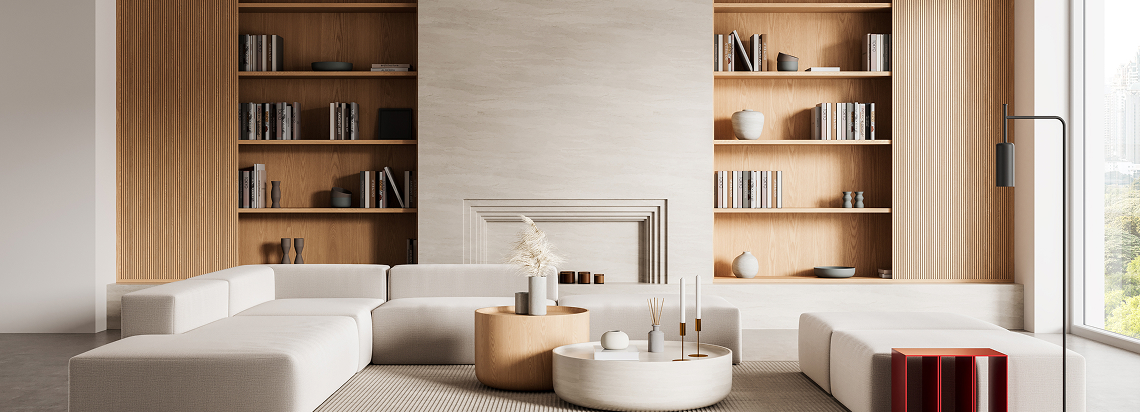
The first minute inside a home often determines how the rest of the showing will feel. Buyers may spend hours comparing properties online, but once they walk through the door, impressions are formed quickly and emotionally. The initial assessment and resulting emotion will determine their overall level of excitement they feel for the remainder of the visit. Those impressions shape how connected they will be to the property and ultimately if they will be attached enough to put in an offer.
Understanding what buyers notice first allows sellers to prepare with intention rather than assumption.
The very first impression begins before the door opens. Buyers notice the exterior, the front entry, and the overall sense of care. Landscaping, walkway condition, lighting, and the front door itself create a quiet message: this home has been maintained, or it has been neglected. That message carries inside with them.
Once inside, buyers immediately register light. Bright spaces feel open, positive, and inviting. Dark spaces feel smaller, heavier, and more uncertain. Lighting is not only about fixtures — it is about clean windows, open window coverings, and balanced interior lighting that makes the home feel alive.
Smell follows quickly. A home should smell neutral and clean. Strong fragrances, pet odours, cooking smells, or mustiness instantly distract from visual appeal. Buyers rarely comment on scent when it is good — they always notice when it is not. In my experience one of the biggest mistakes is over-scenting your home before a showing or open house. Avoid strong candles and plug ins and focus on daily spritz’ of the main areas and bedrooms. Dryer balls with essential oils on closets work well or dryer sheets. Find a way to make is seem like the home smells like this all of the time. Most of the time I would recommend to avoid strong kitchen smells as well and yes, the challenge will be hard with teenagers. This being said, there was one time where someone had the best smelling pot roast in a slow cooker – we did not end up putting in an offer on the home, but we did ask for the recipe. You also run the risk of part of your meal being eaten, depending on how hungry the broker is from showings – just kidding.
Next, buyers notice flooring and walls. These surfaces frame the entire home. Worn carpets, scratched floors, scuffed walls, or bold colours can subconsciously signal future work, cost, and inconvenience. Clean, neutral finishes create ease and confidence. Mr Clean magic eraser is going to become your best friend – and yes, you need to repaint the yellow walls from fifteen years ago. They might not have any scratches, but the colour may deter some potential buyers.
Clutter is another immediate signal. Buyers are not just evaluating your belongings — they are evaluating space. Countertops, entry areas, staircases, and living spaces should feel open and functional. When clutter dominates, buyers struggle to visualize themselves in the home. Rule of thumb - If you are not going to use it again while you’re in this property put it in storage. Or maybe it’s time to find “Aunt Angela’s Christmas platter [the one you have never used] a new home.
Buyers also notice flow—this is where you might need the help of a professional stager. Buyers instinctively assess how rooms connect, whether spaces feel logical, and whether the layout supports their daily life. Furniture placement and/or removal can either enhance this perception. The goal is to allow movement to feel natural.
Sound matters more than most people realize. Squeaky doors, loud fans, rattling vents, or background noise can subtly influence comfort. Take time to notice the noise, things you have been accustomed to and ensure if it’s within your control – fix it before the potential buyer notices Quiet, smooth operation creates calm. Do you have a sound system or speakers in your home> Soft music during showings and open houses can also help to create an amazing first impression.
Temperature is also part of the first impression—Comfort supports connection. A home that is too cold or too warm immediately affects emotional response.
Finally, buyers notice how the home feels emotionally. Yes. After all my ranting about the economics of selling in prior blogs, I have to tell you–a home emits a “feeling”. Does it feel cared for? Does it feel calm? Does it feel easy to imagine living there? This emotional response often outweighs logical analysis in early stages.
Remember, none of these elements require luxury — they require intention. Paralleled to this statement, the first 60 seconds are not about perfection, they are about confidence. A home that feels clean, bright, organized, neutral, and well maintained allows buyers to relax. And when buyers relax, they connect. Preparation is not about impressing buyers. It is about removing distractions so the home can speak for itself.
If you are preparing to sell, no matter your timeline, speak with your realtor. An experienced professional understands buyer behaviour and can help you prioritize what truly matters — and what does not.
Because in real estate, the first minute does not just create an impression.
It creates momentum.
Elevate your market knowledge and stay informed.
Subscribe to our blog below:
Elevate your market knowledge and stay informed.
Subscribe to our blog below:


Keller Williams Experience Realty Brokerage
516 Bryne Drive Unit J
Barrie, Ontario L4N 9P6
